
Neonatology
Updated: Jun 6
Neonatology is the medical specialty that focuses on the care of newborn infants, particularly those who are premature or have medical complications. It is a rapidly advancing field, with new research and treatment options constantly being developed to improve the health and outcomes of newborns.
One of the major challenges in neonatology is the management of preterm labor and delivery. Preterm birth is defined as delivery before 37 weeks of pregnancy, and it is a leading cause of neonatal morbidity and mortality. Preterm infants are at increased risk for a wide range of health problems, including respiratory distress, feeding difficulties, and developmental delays.
To prevent preterm birth, it is important for pregnant women to receive regular prenatal care and to be aware of the signs and symptoms of preterm labor. These include contractions, vaginal bleeding, and a change in vaginal discharge. If a woman is experiencing these symptoms, she should contact her healthcare provider immediately.
If a preterm delivery is imminent, there are several treatments that can be used to try to delay the birth or improve the outcomes for the newborn. These may include medications to stop labor, corticosteroids to help mature the baby’s lungs, and antenatal interventions such as cerclage (a procedure to close the cervix) or tocolysis (the use of medications to relax the uterus and delay labor).
Another common concern in neonatology is the management of birth defects and genetic disorders. These conditions can have a significant impact on a newborn’s health and development and may require specialized medical care and support. Some common neonatal conditions include Down syndrome, congenital heart defects, and neural tube defects.
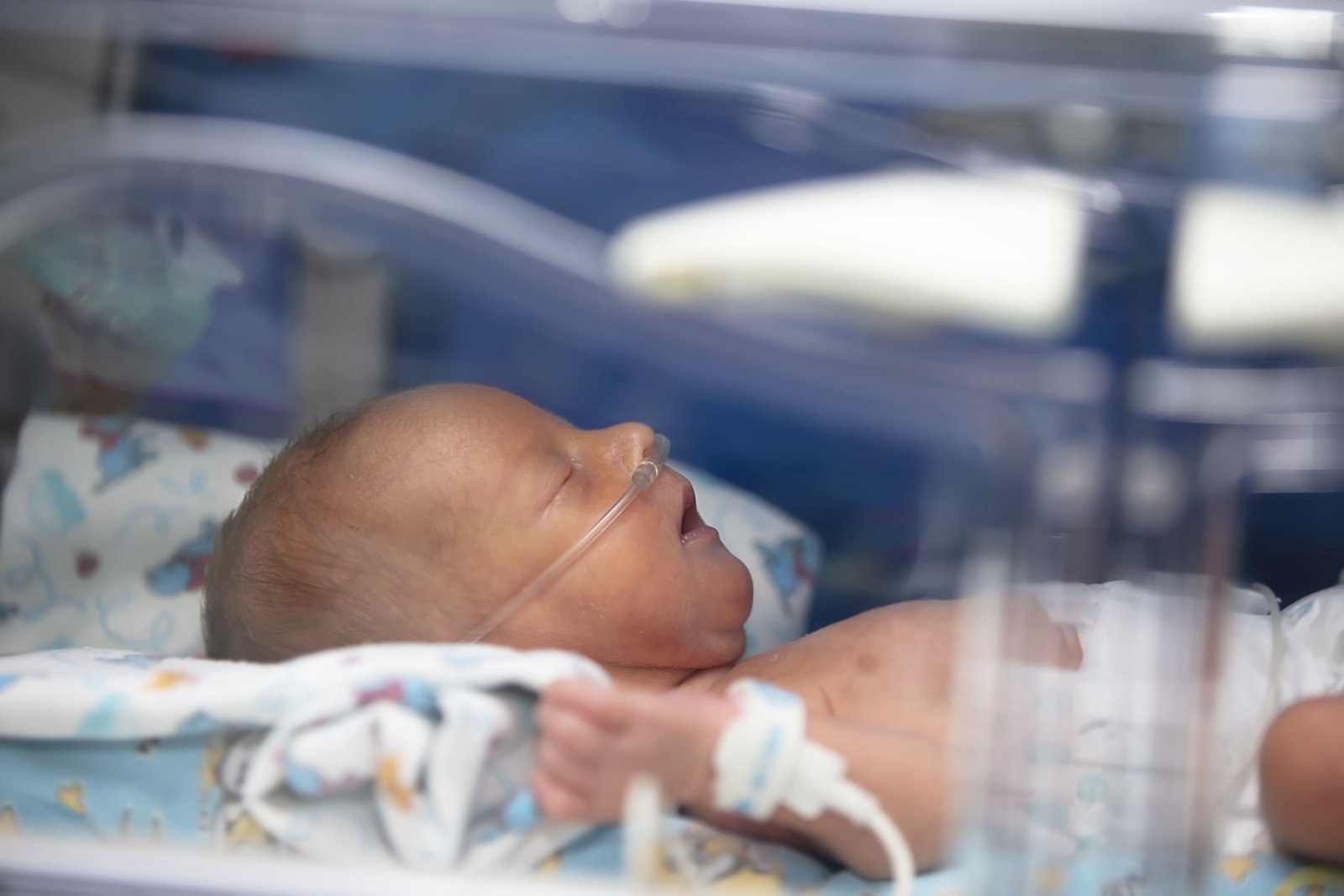
Neonatal intensive care units (NICUs) are specialized units that provide care for newborns who are premature or have medical complications. These units are equipped with advanced medical equipment and staffed by trained healthcare professionals who are skilled in caring for newborns. In the NICU, newborns may receive a range of treatments and interventions, including respiratory support (such as mechanical ventilation), feeding and nutrition support, and medication management.
Developmental care is also an important aspect of neonatology. This involves providing appropriate care and support to newborns to optimize their growth and development. Strategies that can be used to promote healthy development include skin-to-skin care (also known as kangaroo care), which involves holding the newborn against the skin of the parent or caregiver, and the use of specialized bedding and positioning to minimize the risk of pressure injuries and promote comfort.
Finally, it is important to provide support and resources to families of newborns, particularly those who have a premature or medically fragile infant. This may include parent education and counseling, as well as support groups and online communities. These resources can help families navigate the challenges of caring for a newborn and provide a sense of connection and support during this time.
In conclusion, neonatology is a vital medical specialty that plays a crucial role in the care and outcomes of newborn infants. From the management of preterm labour and delivery to the treatment of birth defects and genetic disorders, neonatologists are dedicated to improving the health and well-being of newborns and their families.
At Belief Hospital, we have doctors with proven expertise in many treatments. Consult us for any queries and the best solutions for your issues.